

HJ 1453-2026 “Water Quality – Determination of Cu, Pb, Cd, Ni and Cr – Graphite Furnace Atomic Absorption Spectrophotometry” has been officially released as an important basis for the detection of heavy metals in water quality and will take effect on May 1, 2026. This standard provides authoritative and reliable technical specifications for the determination of these five key heavy metal elements in surface water, groundwater, domestic sewage and industrial wastewater. In the face of stricter supervision and higher standard detection needs, graphite furnace atomic absorption spectrophotometry will become an important support means for water quality heavy metal monitoring with its high sensitivity, low detection limit and mature and stable characteristics.
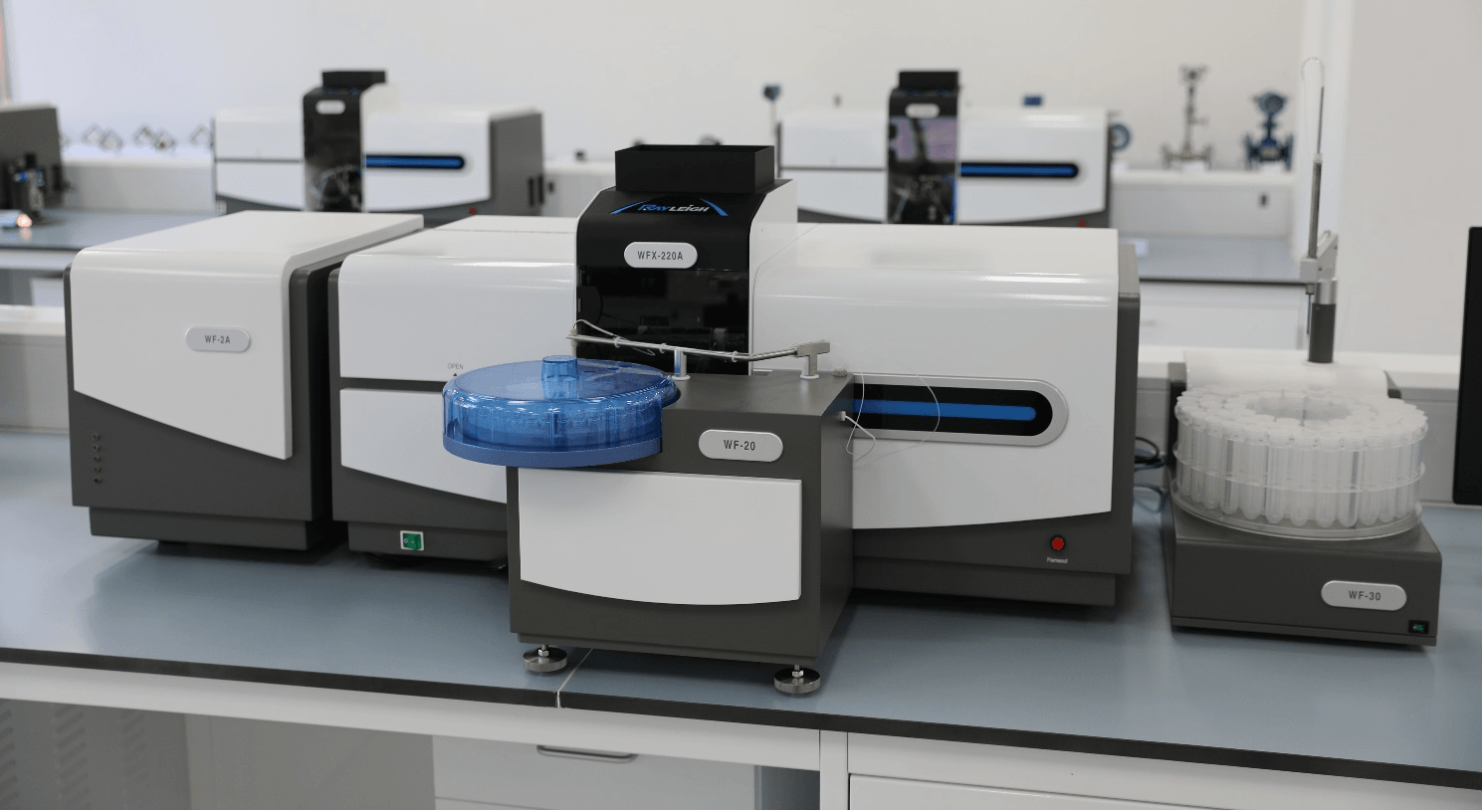
BFRL WFX-220A Atomic Absorption Spectrophotometer
1 Experiment
1.1 Instrument and reagent preparation
WFX-220A Atomic Absorption Spectrophotometer: BFRL;
Microwave digester and supporting intelligent temperature control electric heater: Yiyao Technology, M3;
standard solution of Cu, Pb, Cd, Ni, Cr (1000 μg/mL); Nitric acid, hydrochloric acid, and palladium nitrate are all superior purity.
1.2 Sample preparation
After sample collection, add an appropriate amount of nitric acid to adjust the acidity to pH≤2, store it in a dark place, and measure it within 40 days.
Accurately measure 25.0 mL of surface water samples in a microwave digestion tank, add 3 mL of nitric acid and 1 mL of hydrochloric acid, and put them into a microwave digester for digestion (Table 1). After digestion, cool to room temperature, place on an electric thermal digester, and evaporate the solution to near-dry. Remove and cool, wash the inner wall with 1% nitric acid at least 3 times, transfer to a 25ml colorimetric tube, dilute the volume with 1% nitric acid to the reticle, shake well, and be tested.
Table 1 Microwave digestion heating procedure
|
Digestion temperature |
Heating time(min) |
Hold time(min) |
|
Room temperature→120℃ |
0 |
3 |
|
120→150℃ |
0 |
3 |
|
150→180℃ |
0 |
20 |
1.3 Experimental conditions
Atomic absorption spectroscopy was used for analysis, and instrument reference conditions are shown in Table 2 below.
Table 2 Reference conditions of graphite furnace instrument
|
Element |
Cu |
Pb |
Cd |
Ni |
Cr |
|
Lamp current |
3 |
3 |
3 |
3 |
3 |
|
Wavelength |
324.7 |
283.3 |
228.8 |
232 |
357.9 |
|
Spectral bandwidth |
0.2 |
0.2 |
0.2 |
0.2 |
0.2 |
|
Drying temperature(℃)/Time(s) |
120/30 |
100/30 |
100/30 |
100/30 |
100/30 |
|
Ashing temperature(℃)/Time(s) |
900/30 |
550/15 |
550/15 |
800/15 |
850/15 |
|
Atomization temperature(℃)/Time(s) |
2300/3 |
2200/3 |
2000/3 |
2500/4 |
2500/3 |
|
Injection volume(μL) |
20 |
20 |
20 |
20 |
20 |
|
Matrix improver injection volume(μL) |
5 |
5 |
5 |
5 |
5 |
|
Background correction method |
Deuterium lamp |
Deuterium lamp |
Deuterium lamp |
Deuterium lamp |
Deuterium lamp |
Configuration of matrix improver: weigh 0.1g of palladium nitrate, add 1mL of nitric acid (2.1) to dissolve, and set the volume to 100mL with laboratory water.
Drawing of working curves: Commercially available standard solutions of Cu, Pb, Cd, Ni and Cr (1000 μg/mL) were diluted step by step, prepared into 50 μg/L, 10 μg/L, 1 μg/L, 30 μg/L, and 10 μg/L of the use solution, and the single-point dilution configuration curve was performed with an autosampler.
2 Results and discussion
Under the selected experimental conditions, the linear relationship was good at 0~50μg/L for Cu, 0~10μg/L for Pb, 0~1μg/L for Cd, 0~30μg/L for Ni, and 0~10μg/L for Cr, which can reach more than 0.999; The calibration curve is shown in Figure 1~Figure 5 below.
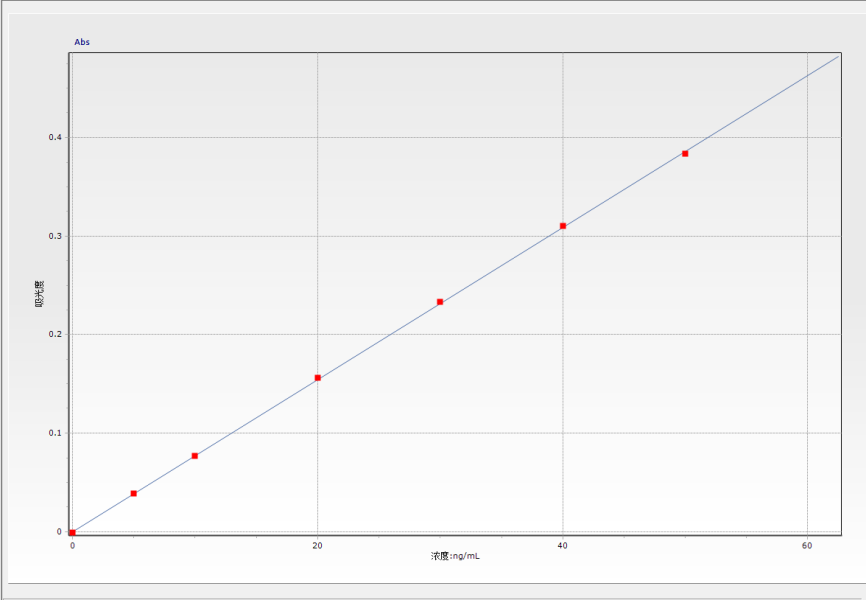
Fig. 1 Cu calibration curve
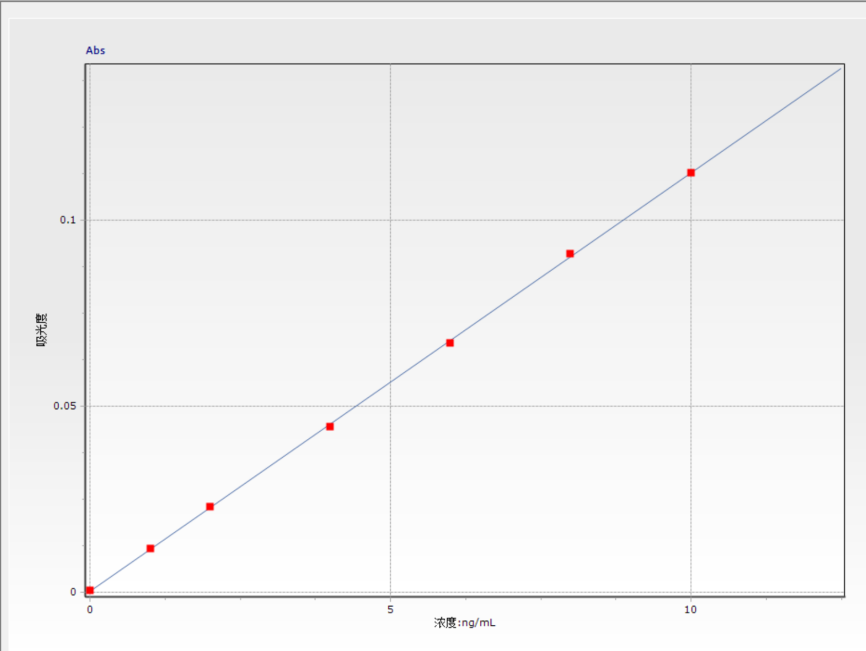
Fig. 2 Pb calibration curve
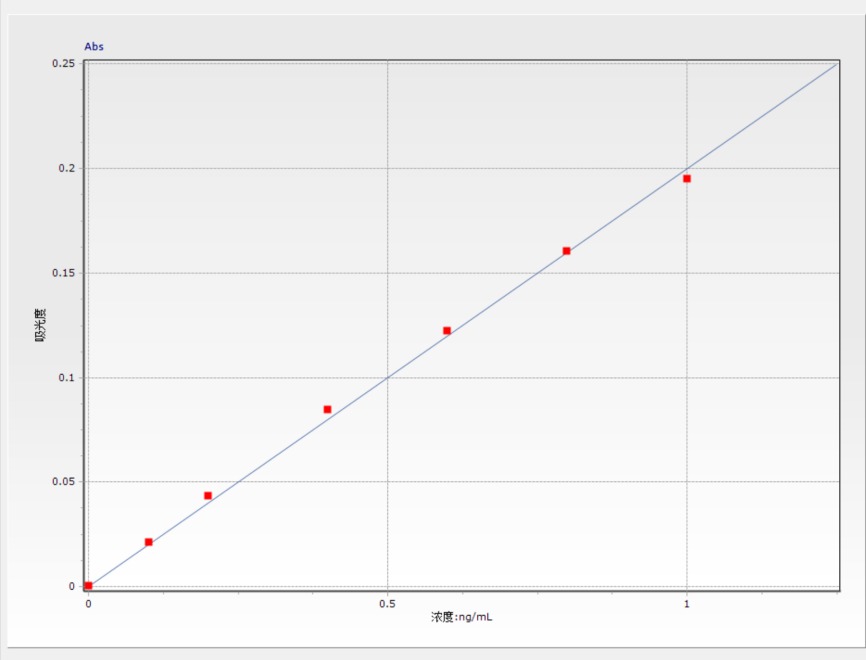
Fig. 3 Cd calibration curve
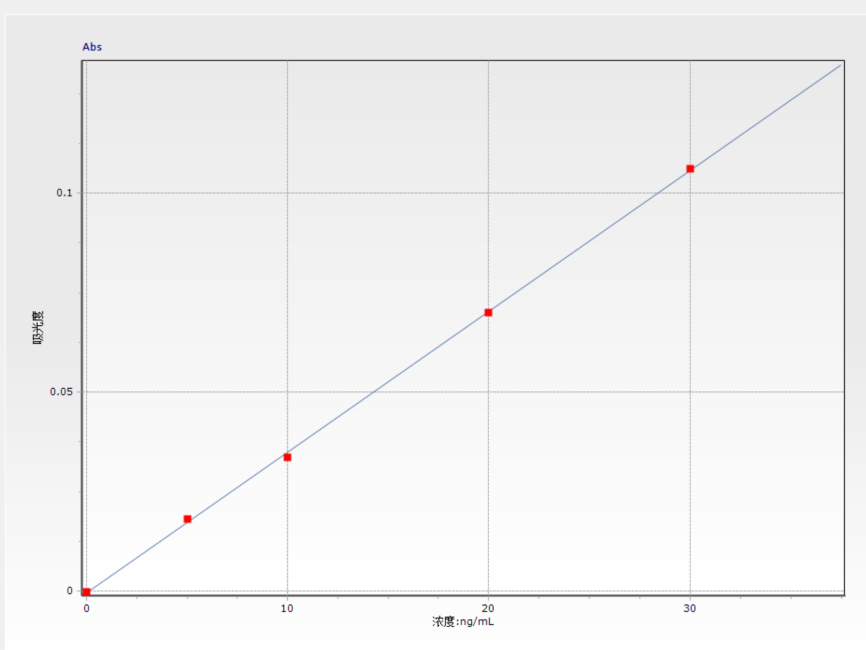
Fig. 4 Ni calibration curve
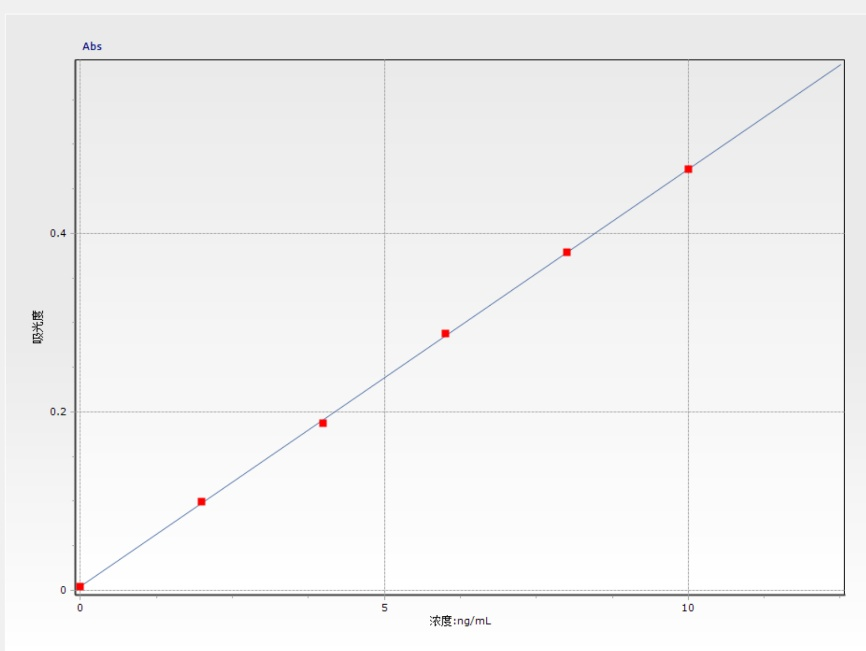
Fig. 5 Cr calibration curve
The blank solution was prepared according to the experimental method and 11 measurements were carried out, and the detection limit of the calculation method was 17.34pg for Cu, 1.51pg for Pb, 0.42pg for Cd, 17.77pg for Ni, and 1.28pg for Cr.
The treated surface water samples were tested under selected experimental conditions, and the test results are shown in Table 3 below.
Table 3 Determination results of surface water samples
|
Element |
Sample 1 |
Sample 2 |
||
|
Measured values (μg/L) |
Spiked recovery rate (%) |
Measured values (μg/L) |
Spiked recovery rate (%) |
|
|
Cu |
18.7 |
94.5 |
24.2 |
92.1 |
|
Pb |
1.2 |
97.8 |
1.4 |
99.6 |
|
Cd |
<0.06 |
91.2 |
<0.06 |
94.5 |
|
Ni |
7.9 |
102.3 |
8.2 |
97.4 |
|
Cr |
1.3 |
105.5 |
1.8 |
96.9 |
The Cu, Pb, Cd, Ni, and Cr reference materials were tested for 7 consecutive times, and the test results are shown in Table 4 below.
Table 4 Cu, Pb, Cd, Ni, and Cr reference material results
|
element |
number |
calibrated value (μg/L) |
Measurements (μg /L) |
Relative standard deviation (%) |
|
Cu |
GSB 07-3186-2014 |
497±25 |
522.00 |
1.9 |
|
Pb |
GSB 07-3186-2014 |
0.241±0.012 |
0.243 |
2.1 |
|
Cd |
GSB 07-3186-2014 |
0.138±0.008 |
0.137 |
1.5 |
|
Ni |
GSB 07-3186-2014 |
258±14 |
253.4 |
2.6 |
From Tables 3 and 4, the spiked recovery of Cu, Pb, Cd, Ni and Cr in the surface water sample is 91.2%~105.5%, and the relative standard deviation of the standard sample is 1.5%~2.6% for 7 parallel measurements.
3 Conclusion
According to the requirements of the “Surface Water Environmental Quality Standard” (GB 3838-2002), the content of Cu, Pb, Cd and Ni in the surface water meets the Class II water standard. This time, the WFX-220A atomic absorption spectrophotometer was used to determine Cu, Pb, Cd, Ni and Cr with reference to HJ 1453-2026 “Determination of Cu, Pb, Cd, Ni and Cr in Water Quality by Graphite Furnace Atomic Absorption Spectrophotometry”, and the results of detection limit level, sample accuracy and precision were satisfactory.
WFX-220A atomic absorption spectrophotometer has high sensitivity, good accuracy and wide range of applications. Its biggest highlight is the high degree of automation, the flame and graphite furnace can realize one-click automatic switching, combined with high-precision flow control and intelligent software with built-in expert database, easy and efficient operation. At the same time, the instrument adopts a modular design for daily maintenance, and has multiple safety interlocks and temperature control protection that combine software and hardware to ensure foolproof operation. In addition, it also supports high-temperature flame method, hydride method and a variety of autosampler extensions, which can fully meet the needs of metal analysis in environmental protection, food and medicine and other fields.
Post time: May-15-2026