


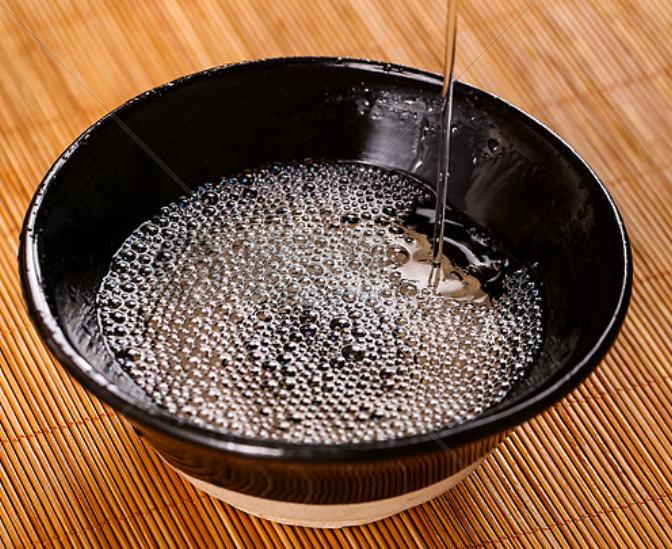
In recent years, phthalate contamination in Chinese Baijiu (Chinese liquor) has repeatedly drawn public attention as a food safety concern. These chemical compounds, which may migrate into the liquor, pose potential risks to human health. Among various analytical techniques, Liquid Chromatography-Mass Spectrometry (LCMS) has emerged as a key tool for tracking phthalates in Chinese Baijiu, owing to its high sensitivity and accuracy.

Phthalates: Unwanted Additives in Chinese Baijiu
Phthalates, or phthalic acid esters (PAEs), are commonly used as plasticizers. In Chinese Baijiu, they may originate from:
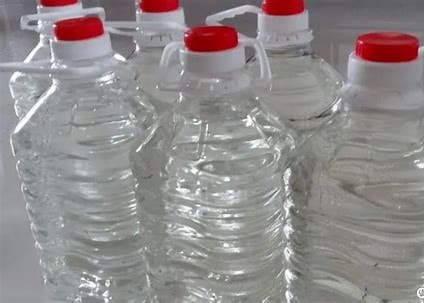
- Migration from plastic packaging materials;
- Contact with plastic pipelines or containers during production;
- Environmental contamination of ingredients;
Although the use of plastic materials in direct contact with Chinese Baijiu is prohibited by national regulations, trace-level migration remains a concern. Long-term excessive intake of phthalates may disrupt the endocrine system, with potential impacts on child development and reproductive health.
 |
 |
LCMS: The Molecular Detective for Phthalates
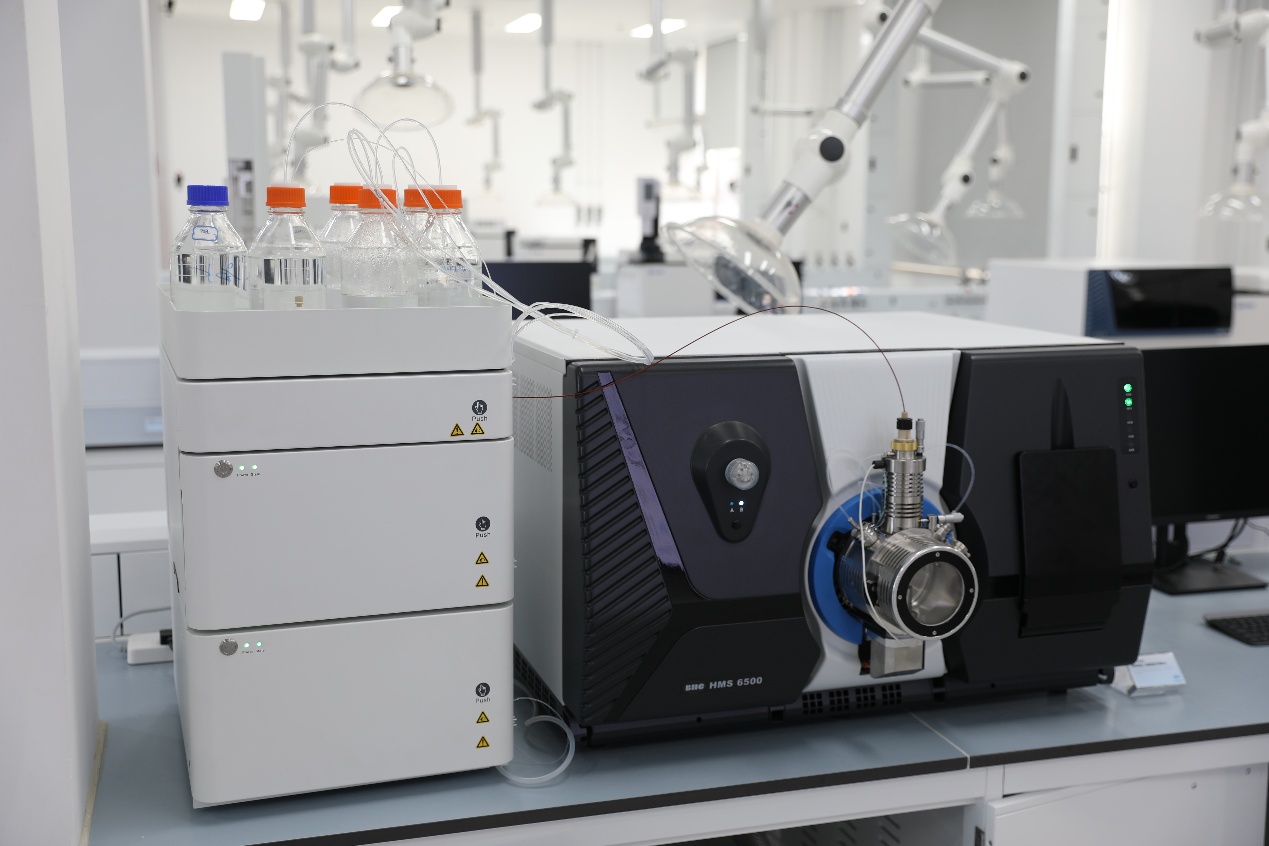
Liquid Chromatography-Mass Spectrometry (LCMS) combines the high separation capability of liquid chromatography with the high sensitivity of mass spectrometry, making it particularly suitable for analyzing trace compounds in complex matrices like Chinese Baijiu. Key advantages include:
- High sensitivity: Detection at ng/mL or lower concentrations;
- High selectivity: Accurate identification and quantification of multiple phthalates;
- High efficiency: Simultaneous analysis of multiple targets in a single injection;
- Strong anti-interference capability: Effectively mitigates matrix effects from Chinese Baijiu;
LCMS Workflow for Phthalate Detection in Chinese Baijiu
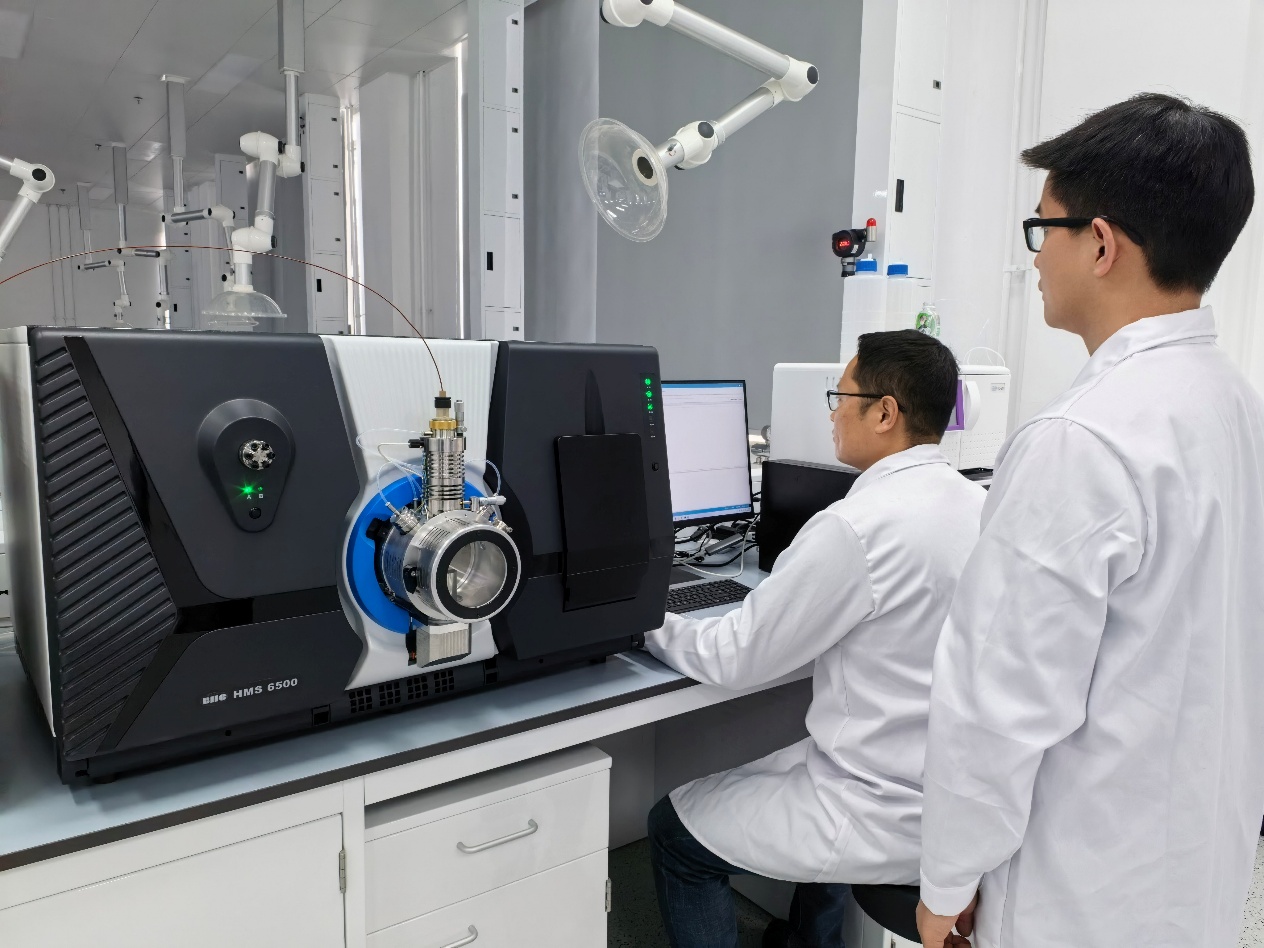
- Sample Preparation
·Dilution or direct injection (for low-concentration samples);
·Nitrogen blow-down concentration and solvent exchange;
- Liquid Chromatography Separation
Using a C18 reverse phase chromatography column with methanol/water or acetonitrile/water as the mobile phase, gradient elution is used to separate different plasticizers. Common detection targets include:
·Dimethyl phthalate (DMP)
·Diethyl phthalate (DEP)
·Dibutyl phthalate (DBP)
·Di (2-ethylhexyl) phthalate (DEHP)
- Mass Spectrometry Detection
Detect in negative ion mode with electric spray ion source (ESI) or atmospheric pressure chemical ionization source (APCI). The mass spectrometer improves the selectivity and sensitivity of detection through multiple reaction monitoring (MRM) mode.
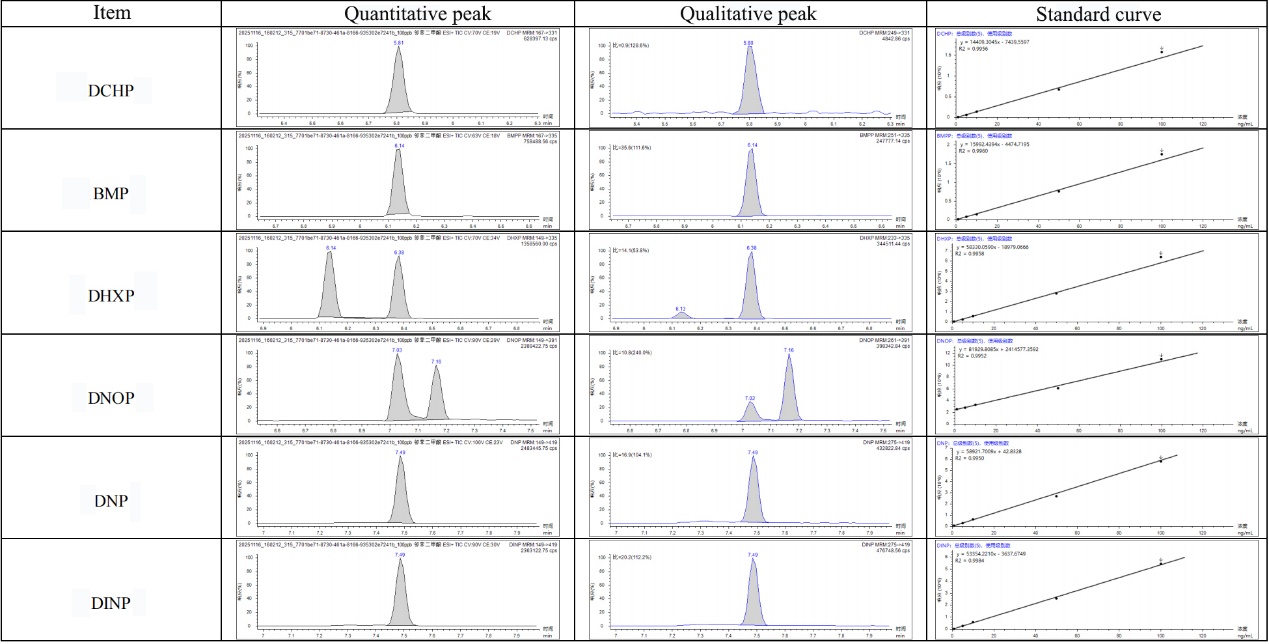
Method Validation and Quality Control
A reliable LCMS method requires rigorous validation:
- Linear range: Covers expected concentrations with R² > 0.99;
- Limit of detection/quantification: Typically at sub-μg/L levels, complying with regulatory standards;
- Accuracy and precision: Spike recovery rates of 85–115%, relative standard deviation <15%;
- Specificity: Ensures target peaks are interference-free;
Industry Responses and Consumer Guidance
With advancements in detection technology and stricter regulations, the Chinese Baijiu industry has implemented measures to reduce phthalate risks:
- Source control: Gradual phasing out of plastic components in production;
- Process management: Enhanced monitoring and raw material control;
- End-product testing: Rigorous quality inspection systems;
As consumers, we can do the following:
- Purchase from reputable brands via official channels;
- Check packaging integrity and avoid damaged products;
- Store properly, avoiding high temperatures and prolonged storage;
Future Perspectives
LCMS will continue to play a vital role in phthalate detection for Chinese Baijiu. Ongoing improvements in instrument sensitivity and method optimization will enable faster, more precise analysis. The development of multi-analyte screening methods will further ensure comprehensive quality and safety assurance.
Do you have questions about Chinese Baijiu testing? We welcome discussions via email at international@bfrl.com.cn.
Post time: Feb-06-2026